©2026 Business Next Media Corp. All Rights Reserved. No.102, Guangfu S. Rd., Da'an Dist., Taipei City 106, Taiwan
Taiwan shifts stance, bans online sales of alcohol
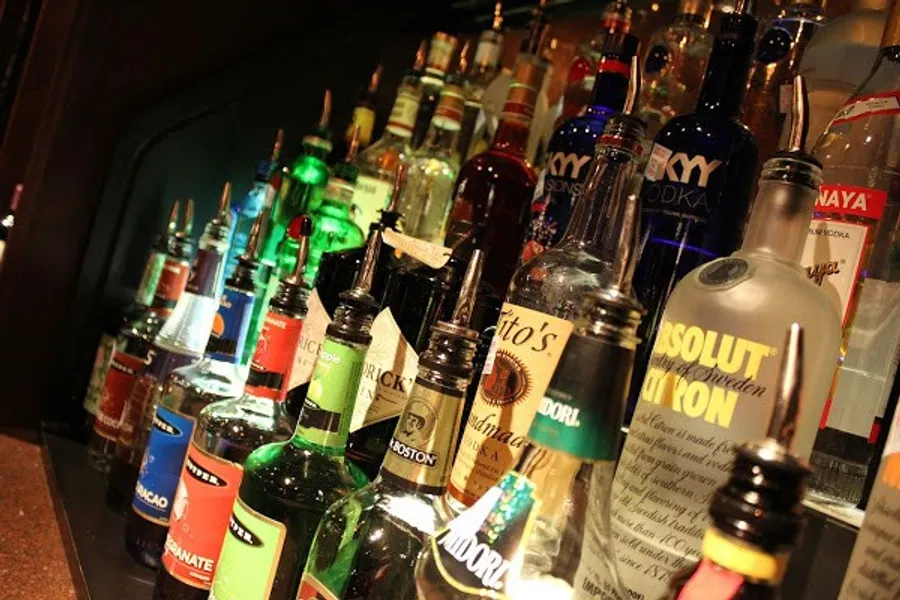
Taiwan officials have withdrawn a bill to legalize the sale of alcoholic beverages online, a decision that critics say was politically motivated.
The Ministry of Finance on Aug. 26 withdrew a bill drafted under ex-president Ma Ying-jeou. The ministry cited opposition from people who feared sales would encourage alcoholism and drunk driving.
The bill was withdrawn after meetings with consumer protection and family rights groups, as well as with organizations that campaign against domestic violence and drunk driving, said Yan Chun-lan, vice-director of the National Treasury Administration.
Opponents say online sales would facilitate access to alcoholic beverages, contributing to health and safety issues. The difficulty of verifying the ages of online buyers would also raise underage drinking, they argued.
Due to the "high degree of controversy and the lack of common consensus," the finance ministry pledged not to reconsider any related moves, Yan said.
The sale of alcohol is permitted online in 27 countries, including in Europe. India and some U.S. states ban online sales of alcohol, however.
According to a 2012 poll in the United States, 50 percent of the alcoholic beverage and tobacco shipments came from online sales.
Starting in 2011, the finance ministry held four rounds of discussion with alcohol merchants, e-commerce vendors and civic groups with concerns about alcohol use.
Support then for a legal framework allowing alcohol sales online outweighed opposition.
At the end of 2015 a government official conducated a public opinion poll on the online platform vTaiwan and prepared measures to prevent any sale of alcohol by Internet to minors.
In April, under the former president, the government amended the Tobacco and Alcohol Adminstration Act authorizing the sale of alcohol online to a limited number of e-merchants and distributors.
Orders would be taken only by credit card and alcoholic beverages collected from convenience stores. The bill got approval from the cabinet in May and was sent to parliament.
In June, a month after President Tsai Ing-wen took office, her new finance minister Hsu Yu-che said loosening laws to facilitate the sale of alcohol online was still a priority. But that same month, the cabinet announced that, due to the change in government, all bills awaiting parliamentary ratification before Tsai took office would be withdrawn for reconsideration.
Vice finance minister Su Chian-rong says the scale of opposition was key to the decision not to push ahead.
But the government has come under fire for its decision. Critics of the ban argue that the previous government had reached a consensus and that safety measures were already in place to guard against any alcohol abuse.
Critics suspect that the withdrawal from parliament was politically motivated, as the new administration seeks to distinguish itself from its predecessor. The current and previous presidents are from opposing political parties.
Online sales of alcohol remain controversial or problematic even in some countries where the practice is already legal.
A 2016 study conducted by the consumer portal Testbericht found that German minors could easily buy alcohol in 16 online stores, for example.
©2026 Business Next Media Corp. All Rights Reserved. No.102, Guangfu S. Rd., Da'an Dist., Taipei City 106, Taiwan