©2026 Business Next Media Corp. All Rights Reserved. No.102, Guangfu S. Rd., Da'an Dist., Taipei City 106, Taiwan
A taste of the future: 3D printing Restaurant Food Ink coming to Taipei
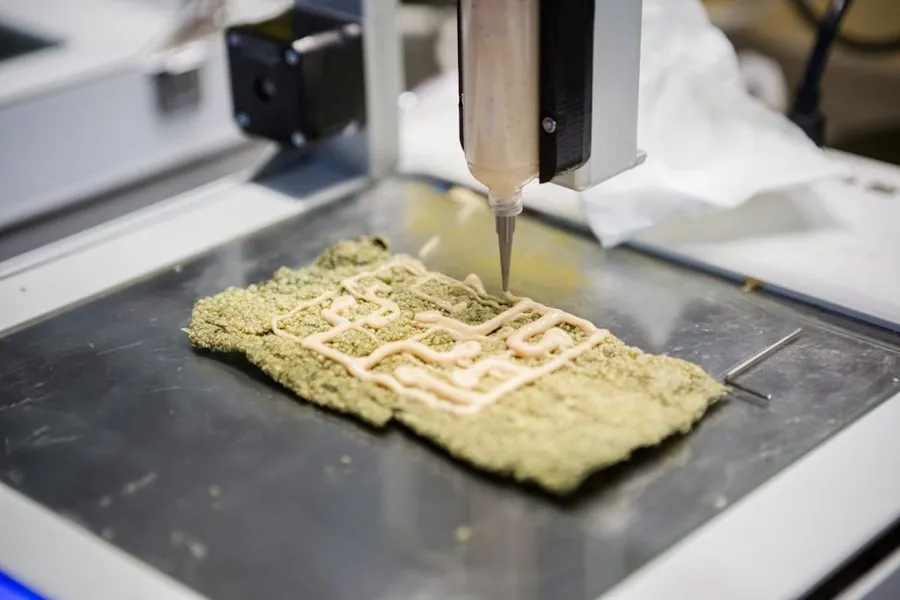
British 3D printing restaurant Food Ink has put Taipei on the list of cities it will visit during its world tour in 2017.
In what is now its trademark fashion, the London-based company first in April 2016 presented its 3D printed food at a pop-up event in the Netherlands. After a host of similar gigs all over Europe, Food Ink is now getting ready to set sails for its first world tour this year.
With plans to visit all major continents, the Food Ink chefs will present their culinary ideas to audiences in select cultural hubs, among them Las Vegas, Mexico City, Buenos Aires, Dubai, Tokyo, and Taipei.
Welcome to the future: the growing application of 3D printing
According to the company’s website, they “are a conceptual pop-up dinner series where fine cuisine meets art, philosophy and tomorrow’s technologies.” If that does not sound too unusual yet, a closer look at what kind of new tech they use to prepare their futuristic dishes should raise some eyebrows.
3D printing has been around since the late 20th century, yet it was only during the last decade that the technology has become more popular. Following its application in science, a growing exposure on the internet, and finally the proliferation of, well, less expensive devices, 3D printing is now open to alternative uses.
Based on digital recipes, 3D printers stack layers of specific materials – polymer being among the most common – to create products that can be used in vastly different scenarios. For instance, medical researchers have successfully created stem cells via bio-printing, but artists, too, are appropriating the technology in their works.
More recently, 3D printing has begun to satisfy the growing longing for customization amongst techies and urbanites. Be it phones cases, collectibles, or jewelry, 3D printers fuel an industry in which individuals emerge as highly specialized producers.
A new chapter in this success story now reinvents foodstuffs. As Food Ink demonstrates, the food of the future, too, will be 3D printed.
Future food
The origins of 3D printed food go back to Nasa’s efforts to produce durable nutrition for its space program. Food Ink’s strategy is more grounded, however. In their pop-up shows, the team has gathered experts in cooking, architecture, art, design, and engineering, to provide
consumers with a holistic dining event that demonstrates how 3D printing can connect to their daily lives.
Not only the food, but literally everything at the pop-up restaurant is created via 3D printers: be it tables, chairs, lamps, knives, or forks, guests will be introduced to a new world. To further enhance this futuristic dining experience, Food Ink also provides guest with virtual reality headsets in-store that complete the experience visually and aurally.
A bite of the future comes at a high price
To be sure, the Food Ink experience is not cheap. For instance, at the pop-up event in London guests paid approximately £250 per person. Additionally, critics question whether such a price is warranted when dishes essentially consist of mashed produce reassembled into new shapes.
Food Ink, however, believes that they provide a unique experience interweaving culinary and cultural aspects. Not only are their chefs highly-accredited specialist, but their eclectic creations reflect the company’s holistic vision. More so, the technologies used in the preparation of food, cutlery, and furniture are cutting-edge and for most guests probably the first encounter with 3D printing.
For now, the success of Food Ink events in Europe manifests the attraction of their visionary approach. The upcoming 2017 world tour will introduce their 3D printed food on a global scale. With pop-up events lined up in 22 cities around the world, including Taipei, food lovers and tech enthusiast should keep their eyes on the company’s website for dates and booking info.
©2026 Business Next Media Corp. All Rights Reserved. No.102, Guangfu S. Rd., Da'an Dist., Taipei City 106, Taiwan