©2026 Business Next Media Corp. All Rights Reserved. No.102, Guangfu S. Rd., Da'an Dist., Taipei City 106, Taiwan
How LeafIot Uses AI to Predict and Prevent Tree Falls in Cities
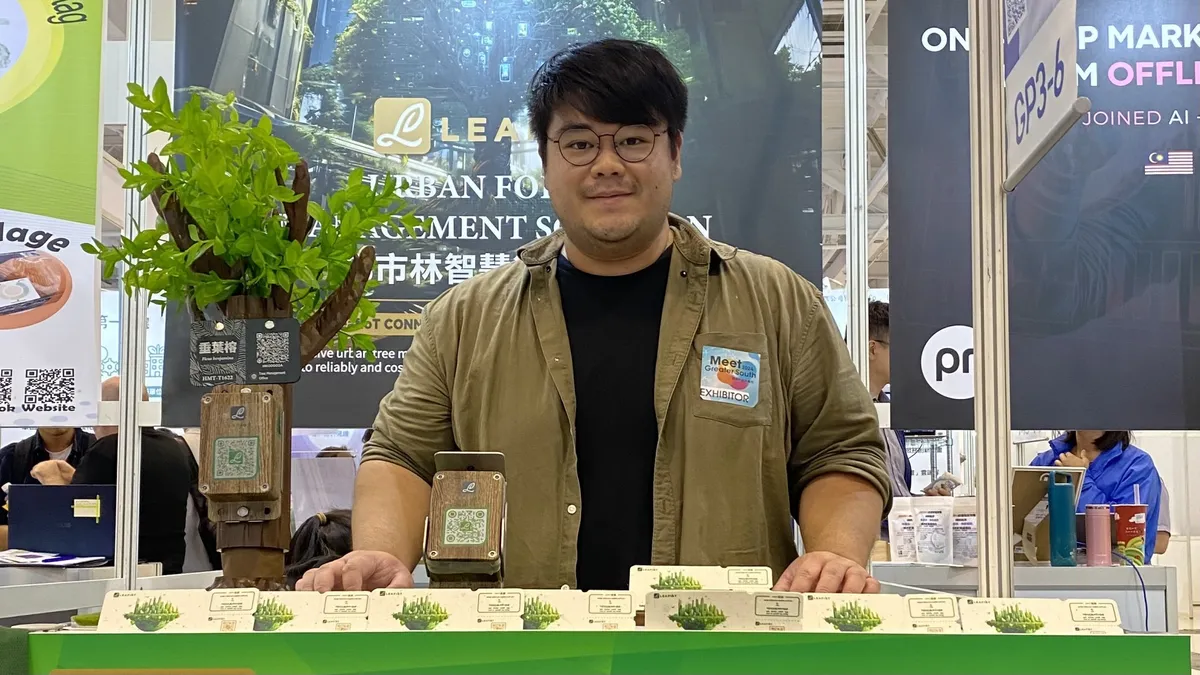
As cities grow, keeping green spaces safe is a big challenge. LeafIot, a startup from Hong Kong, has created smart tree sensors to help solve this problem. Their technology uses sensors and software to predict if trees might fall, especially during typhoons, making urban areas safer.
While trees are good for cities, they can be dangerous if they fall during storms. According to a [study by Hong Kong Observatory][1], Hong Kong gets about 5 to 6 typhoons a year, and during Super Typhoon Mangkhut in 2018, over 55,000 trees were damaged. LeafIot’s sensors track tree health and inclination, using AI to alert maintenance teams before a tree falls. This helps cities act quickly, reducing damage and keeping people safe.
LeafIot uses smart sensors and software together. They have created special sensors that can be attached to trees to check things like how much a tree is leaning, how it is growing, and what is around it (like if there is a building nearby that the tree could fall onto). These sensors gather information, and then the software analyzes it to see if a tree might fall during bad weather.
Victor Luk, Product Developer at LeafIot, says, "Users can see if a tree has fallen after a typhoon, and maintenance teams can immediately go to the scene." This early warning system helps city workers focus on trees that need the most attention, saving both time and money on clean-up after storms.
LeaftIot also offers tools for ESG (Environmental, Social, and Governance) reporting. For example, in Hong Kong, companies with more than 250 employees must provide an ESG report every year. LeafIot’s solution can calculate the carbon absorption of trees, which helps companies meet these requirements.
LeafIot views Taiwan, especially Kaohsiung, as a promising location for expansion. Kaohsiung's strong focus on green projects aligns with LeafIot’s goals. "We want to expand our business in Kaohsiung because it is more green-related," says Victor Luk. Taiwan's frequent typhoons also highlight the need for better urban safety measures, which LeafIot’s tree monitoring technology can provide, helping cities manage and reduce damage from natural disasters.
LeafIot mainly works with governments, private companies, and organizations that manage large green spaces. One notable project is with Hong Kong’s MTR Corporation, where their sensors monitor trees along railway tracks to ensure safety.
Their business model has two main parts. First, they sell their tree sensors to entities like the Hong Kong government or companies that need to monitor trees. Second, they charge an annual fee for access to their data dashboard, which offers real-time insights and alerts for better decision-making.
Cities are getting bigger, and typhoons are getting stronger. That makes it more important to keep green spaces safe and well-managed. LeafIot is stepping up with its smart tree sensors and software that help predict which trees might fall, giving cities a chance to act before problems happen. By working with governments and companies, and planning to expand to places like Taiwan, LeafIot shows how technology can help protect both people and the environment. Their approach helps cities stay safe, green, and better prepared for the future.
©2026 Business Next Media Corp. All Rights Reserved. No.102, Guangfu S. Rd., Da'an Dist., Taipei City 106, Taiwan