©2026 Business Next Media Corp. All Rights Reserved. No.102, Guangfu S. Rd., Da'an Dist., Taipei City 106, Taiwan
Silicon Valley Founders Launch Ikigai to Help Taiwanese Startups Go Global
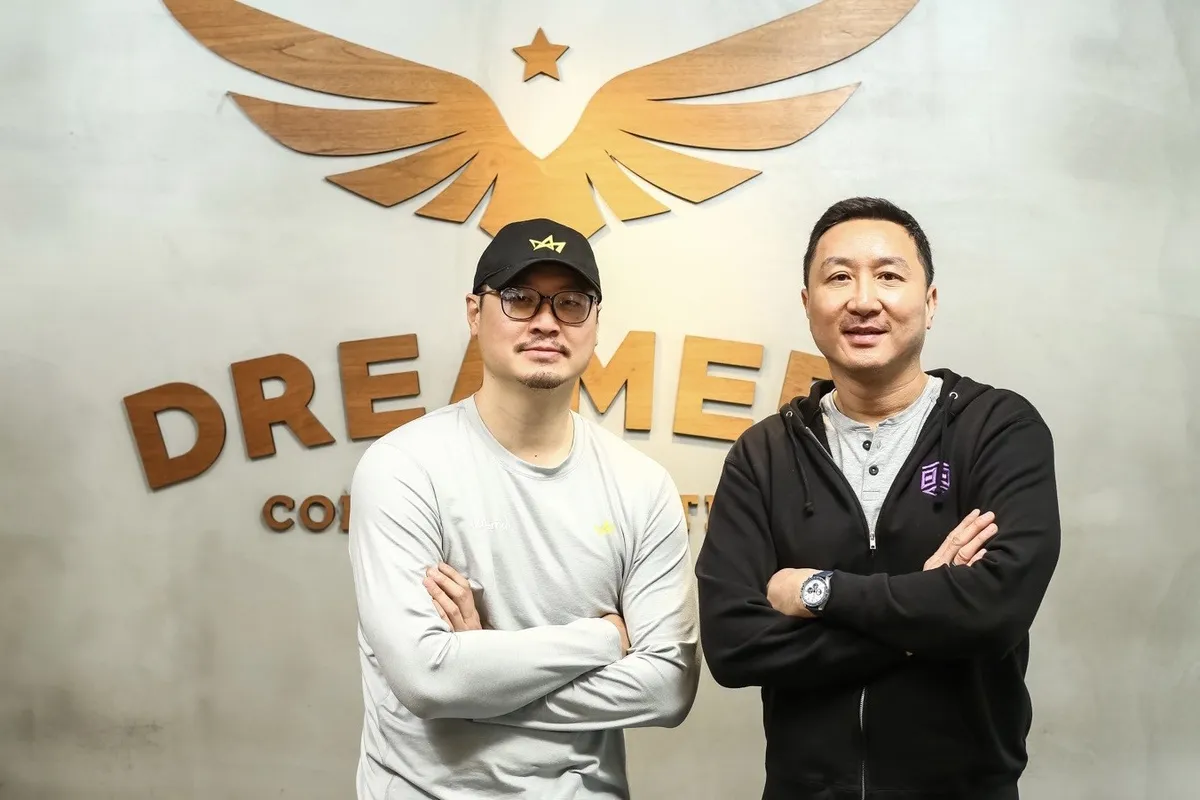
Led by Twitch co-founder Kevin Lin and Guitar Hero publisher Kai Huang, the Ikigai Launchpad is an exciting initiative designed to support Taiwanese startups aiming to expand beyond their local markets, with a particular focus on the U.S. It offers entrepreneurs the tools, mentorship, and connections needed to navigate the complex journey of international growth.
Through the program, Ikigai provides the support needed to scale from local success to global recognition.
Selecting the Right Startup Teams for the Ikigai Launchpad
The success of the Ikigai Launchpad hinges on choosing the right startups that have the potential to thrive in international markets, especially in the competitive U.S. business landscape. The name "Ikigai," derived from the Japanese concept of "life’s purpose," symbolizes the accelerator's mission to help startups find their purpose and thrive globally.
Additionally, "Ikigai" sounds like "一起蓋" in Chinese, which translates to "build together," representing the accelerator’s goal of collaborative growth.
The program places significant emphasis on selecting founders with a vision large enough to transcend their local markets. According to Kai Huang, a key founder of the program and co-founder/CEO of RedOctane, the publisher of the popular Guitar Hero, "We are looking for entrepreneurs who have the mindset to think beyond Taiwan. They must aim to build businesses that can succeed globally."
One of the first things Ikigai looks for is a big vision. They seek founders who are thinking about how their product or service can scale internationally. This means not just focusing on local success, but understanding how their product fits into a larger, global market. Founders who have the ambition to grow their company and expand to new markets, particularly the U.S., are seen as prime candidates for the program.
Along with ambition, the product itself must have scalability. For a startup to succeed outside of Taiwan, it needs to offer a solution that can work on a larger scale. Startups in the program must prove they have a product that not only solves a problem locally but can solve that same problem on a global scale. It’s also crucial that the startup can adapt to the needs and demands of different markets as they grow.
"Another important factor in the selection process is adaptability. The ability to pivot, learn from mistakes, and adjust strategies to meet the challenges of new markets is key. Founders who are open to feedback and who demonstrate flexibility in their approach are more likely to succeed. We want founders who are willing to learn, adapt, and improve," says Phil Chen, who has spent much of his career working with hardware and technology, creating and building products such as the Android phone and the HTC Vive.
Finally, Ikigai values networking and global awareness. Startups that have a strong understanding of international markets or are eager to form global connections are better equipped for the challenges of expansion. Being well-connected provides valuable insights and opportunities, which is why Ikigai actively seeks entrepreneurs already engaged in building partnerships and expanding their networks.
Through the program, startups are connected with potential investors, mentors, and industry professionals, offering them the chance to build strategic partnerships and attract further investment. For Kai Huang, these connections are particularly valuable for startups aiming to break into the competitive U.S. market.
KPIs That Drive Selection
Ikigai Launchpad evaluates startups with a set of KPIs to ensure they align with the program’s goals. These indicators focus on the potential for growth and scalability, as well as the startup's ability to attract investment. The key KPIs include:
-
Product viability: The program assesses whether the product is not only innovative but also addresses a real need in the market. The more unique and relevant the product, the more likely it is to succeed in the U.S. and other international markets.
-
Founder team: The strength of the founding team plays a critical role in the selection process. Startups with strong leadership, a balanced set of skills, and a shared vision tend to be more resilient and adaptable, which is crucial for navigating the challenges of global scaling.
-
Market fit: Startups that have already demonstrated some form of traction, such as early customer adoption or feedback, are preferred. This initial success provides a foundation for scaling and indicates that the startup has found a market need that can be expanded.
-
Investor interest: Startups that have attracted attention from investors or raised funds in the early stages are seen as having a strong chance of success. Investor backing suggests that the startup has the potential for long-term growth and can secure the resources needed to expand globally.
How the Ikigai Launchpad Program Helps Startups Scale
Once accepted into the program, startups receive a wide range of support to help them scale effectively. The first step is to ensure that the startup is ready to adapt its product and business model for the U.S. market and other global markets.
This involves cultural training and understanding the differences between Taiwanese and U.S. business practices. Freya Wu, one of the mentors in the program, explains, "Taiwan is a pond, and the U.S. is the ocean. We guide startups through the river, giving them the confidence to navigate the challenges ahead.”
One of the key components of the program is storytelling. Investors are more likely to back startups that can effectively communicate their vision, their product's value, and their growth potential. The program helps entrepreneurs refine their pitch and storytelling skills, ensuring they can convey their ideas clearly and persuasively to potential investors and partners.
The program also offers mentorship from successful entrepreneurs and investors who have experience navigating global markets. This mentorship provides founders with hands-on advice on everything from refining their business models to scaling operations and raising funds. Phil Chen emphasizes that this guidance is tailored to each startup's unique challenges: “We understand what it’s like to be founders ourselves, so we help startups with the exact challenges they face.”
Achievements of the Ikigai Launchpad
The Ikigai Launchpad has already seen several success stories, with many Taiwanese startups making successful transitions into the U.S. market. One notable example is Preciser, a data management startup that struggled with market fit before joining Ikigai. After receiving guidance on pricing strategies and market positioning, Preciser successfully pivoted and entered the U.S. market, attracting significant investor interest.
Another success story is Dentscape (formerly Preteeth AI), a company focused on AI for the dental industry. After initial struggles, Ikigai helped the company rebrand and pivot to a B2B model, which allowed them to gain traction in the U.S. market. Their success shows how Ikigai’s support can turn challenges into opportunities for growth.
The Ikigai Launchpad program is an invaluable resource for Taiwanese startups looking to scale globally, particularly in the U.S. By focusing on founders with the right mindset, scalable products, and a willingness to adapt, the program ensures that startups are well-equipped to navigate international markets.
With mentorship, networking, and a focus on storytelling, Ikigai provides the tools that startups need to succeed on the global stage.
©2026 Business Next Media Corp. All Rights Reserved. No.102, Guangfu S. Rd., Da'an Dist., Taipei City 106, Taiwan