©2026 Business Next Media Corp. All Rights Reserved. No.102, Guangfu S. Rd., Da'an Dist., Taipei City 106, Taiwan
Taiwan Updates Talent Policy to Welcome More Global Professionals
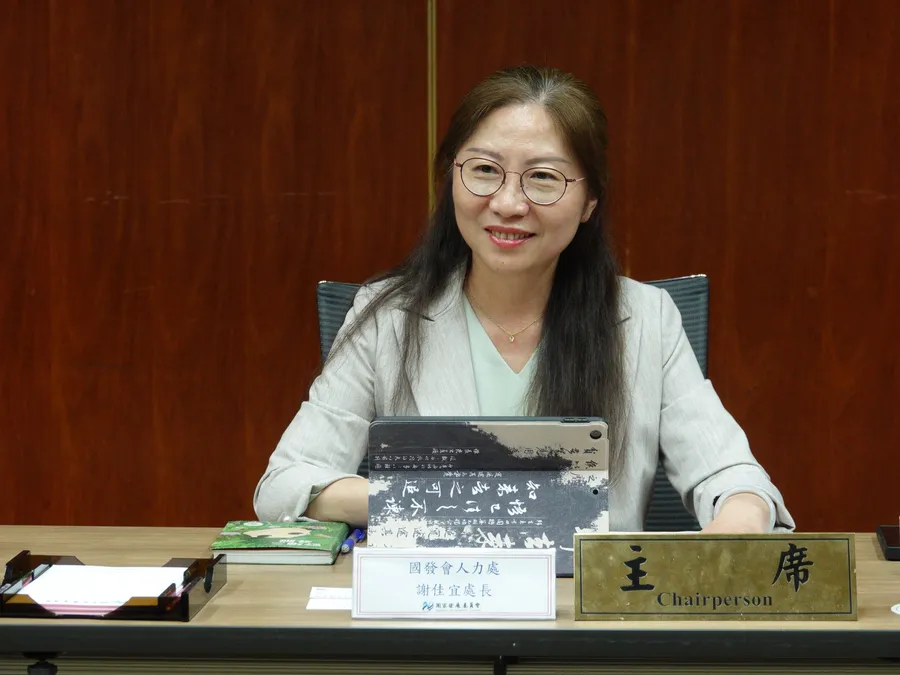
Taiwan is making strategic changes to attract international professionals, not just for short visits, but to build lasting careers and lives.
On the 19th of May, the National Development Council (NDC) introduced major updates to the Act for the Recruitment and Employment of Foreign Professionals. These reforms, led by Chia-Yi Hsieh, Director General of the Department of Human Resources Development, aim to make Taiwan a more practical, supportive, and attractive destination for foreign talent.
What’s Changing, And Why It Matters If You Want to Work in Taiwan
- Digital nomads can now stay in Taiwan for up to 2 years under a revised visa structure.
- Spouses of foreign professionals can work freely, increasing flexibility for families.
- International graduates from Taiwan can work for up to 2 years after graduation, without needing a full-time job right away.
- Study years now count toward permanent residency, speeding up the process to settle long-term.
A new support platform, Talent Taiwan, provides job listings, relocation help, and legal guidance in both northern and southern Taiwan.
From Law to Action
Taiwan passed its original talent law in 2018. But officials soon realized that legislation alone wasn’t enough. “We cannot sit back and think that passing a law means talent will come on its own,” said Chia-Yi Hsieh. “We must build a stage where people can truly see their future in Taiwan.”
That stage includes not just visa access, but also career opportunities, education for children, and a livable environment. These are the things global professionals consider before making a move. To address this, the government launched Talent Taiwan, a one-stop support system offering guidance on visas, jobs, and local living.
Going Global to Attract Talent
Taiwan’s strategy now involves going directly to talent hubs around the world. Officials have held job and information events in Silicon Valley, India, and Southeast Asia, often partnering with university alumni networks.
“We expect ourselves to be a bridge,” said Chia-Yi Hsieh, “connecting international talent with opportunities in Taiwan.”
Welcoming the Mobile Workforce
Recognizing the rise of remote work, Taiwan is now actively welcoming digital nomads, mobile professionals in tech and creative fields. New pilot centers have been launched in Tainan and Taitung, offering community and infrastructure for those working from anywhere.
“There are more than 35 million digital nomads worldwide,” said Chia-Yi Hsieh. “If we can first attract them with lifestyle and travel, we may be able to connect them to our industries too.”
The updated visa allows digital nomads to stay up to two years, a major jump from the previous six-month limit.
Long-Term Support for Those Who Stay
The government also plans to improve life for those who commit to staying longer:
Permanent residents will be eligible for employment insurance and portable pensions, giving foreign workers the same retirement flexibility as locals.
Foreigners can access long-term care and disability services after meeting residency requirements.
Graduates of Taiwan’s universities will be able to count their education years toward residency, encouraging more students to stay and work.
“Taiwan should not just be competing for talent,” said Chia-Yi Hsieh. “We want it to be the first choice, a place where people can build a career and a life.”
©2026 Business Next Media Corp. All Rights Reserved. No.102, Guangfu S. Rd., Da'an Dist., Taipei City 106, Taiwan