©2026 Business Next Media Corp. All Rights Reserved. No.102, Guangfu S. Rd., Da'an Dist., Taipei City 106, Taiwan
Wavv Writes AI Music Without Copyright Risk and NASA Was Its First Client
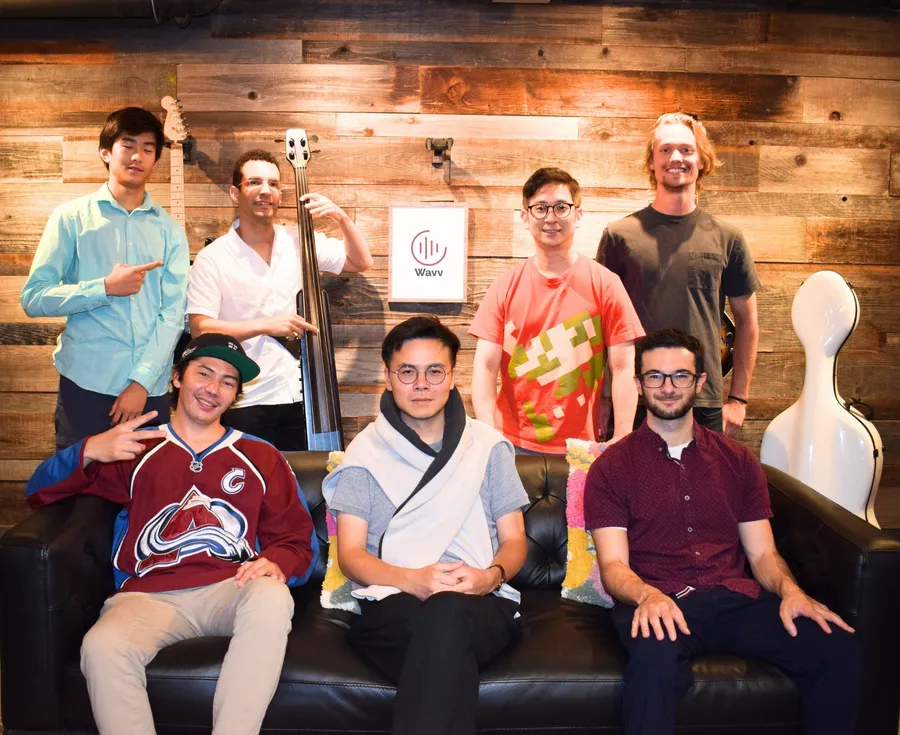
AI can now write essays, generate illustrations inspired by Studio Ghibli, and even compose music. While these applications vary in quality and often raise copyright concerns, music remains one of the most complex challenges.
“The music industry has been around for a long time, but over 80 percent of all music data is still controlled by record labels,” said Ivan Linn, founder of AI music startup Wavv. “So how are you supposed to train your AI?”
As the former global music director for the Assassin’s Creed World Tour, Ivan Linn approached the problem from a music theory perspective. Since launching Wavv just a year ago, he has already landed clients like NASA and a major department store brand under Taiwan’s Jut Group.
How Music Led to Unexpected Encounters with AI and NASA
So how did a brand-new startup like Wavv land a client as prominent as NASA? The story begins with Ivan Linn’s previous venture, Folkspaper.
Founded in Boston in 2017, Folkspaper was a blockchain-based social news platform that quickly gained traction, reaching 15 million monthly visits. But even successful platforms are not immune to change.
After Elon Musk acquired Twitter and renamed it X in late 2022, alternative platforms like Mastodon and Bluesky began to emerge. Around the same time, ChatGPT arrived and transformed the tech landscape. Feeling the shift, Ivan Linn decided to explore new opportunities in Silicon Valley.
“I didn’t know anyone in the Bay Area, so I started organizing in-person events just to meet people in the startup community,” Ivan Linn explained. With his music background, he focused on casual gatherings centered around music. “A lot of founders here play music on the side. I figured there was a chance this could work.”
It did. Gradually, more and more people from the startup scene began attending, including a director from NASA and even Google cofounder Sergey Brin.
“At one of the events, the NASA director casually mentioned they were planning to livestream a total solar eclipse in two weeks and didn’t know what to do about the music,” Ivan Linn recalled. “He asked if I could write something. I said it was possible, but I’d need three months. Then he said, ‘Aren’t you working on AI? Try combining the two.’”
Two weeks later, NASA’s livestream aired, featuring original background music created by the Wavv team during two intense, sleepless weeks. The result was impressive enough for NASA to publish a press release announcing the collaboration, even before Wavv had officially been incorporated.
Can AI Music Avoid Copyright Problems? Start with the Notes
Thanks to the NASA project, Wavv identified its main audience: companies that need original music for commercial use. Ivan Linn saw a clear pain point.
“Licensed music is expensive. Royalty-free music is limited in both volume and relevance. AI-generated music can help, but if you’re using it for commercial purposes, there’s a key question: where does your training data come from?” said Ivan Linn.
In other words, using copyrighted music to train AI models poses legal risks. Paying for licensed datasets can be too costly. And public domain data often isn’t enough.
Ivan Linn’s background in music became Wavv’s competitive edge. Just as English is made up of letters that form words, sentences, and paragraphs, Ivan Linn focused on the smallest units of music: notes.
By combining music theory and engineering, Wavv developed its own foundational structure to train AI. The system learns how to combine notes, instruments, and tempos in rule-based ways, allowing it to generate music without relying on copyrighted content.
This approach isn’t easy. It requires deep understanding of both music and structure.
“We’re still optimizing. When we started out, the AI compositions were pretty bad,” Ivan Linn said with a laugh.
From Custom Soundtracks to Gaming: Where Wavv is Headed Next
Wavv currently focuses on customized music services and charges licensing fees. The company is gradually turning its service into a scalable SaaS product.
Take one example from Taiwan. A department store under the Jut Group asked for upbeat music in the B1 food court and soft background music in the cosmetics area on the second floor. Wavv analyzed not only the adjectives but the business goals behind them. For the food court, the aim was faster table turnover. For the beauty section, it was about creating a calm and inviting atmosphere. The AI-generated music reflected these intentions.
Looking ahead, Wavv may bring its technology to the gaming world. Ivan Linn’s background includes producing adaptive soundtracks for games like Assassin’s Creed, where music changes based on gameplay. Wavv is now in discussions with Roblox about integrating its system into their ecosystem, especially as the company expands into the metaverse and blockchain-based gaming.
So What Happened to the Blockchain Platform?
Ivan Linn confirmed that Folkspaper has officially shut down, and the team has fully transitioned to Wavv. Since most of Wavv’s clients aren’t familiar with blockchain, he also made the difficult decision to retire the platform’s blockchain tech stack.
“That decision was tough,” Ivan Linn admitted. “But that’s what entrepreneurship is. You have to move with the times and focus on creating new value.”
©2026 Business Next Media Corp. All Rights Reserved. No.102, Guangfu S. Rd., Da'an Dist., Taipei City 106, Taiwan