©2026 Business Next Media Corp. All Rights Reserved. No.102, Guangfu S. Rd., Da'an Dist., Taipei City 106, Taiwan
Why the US Taiwan Tariff Talks Matter for Startups
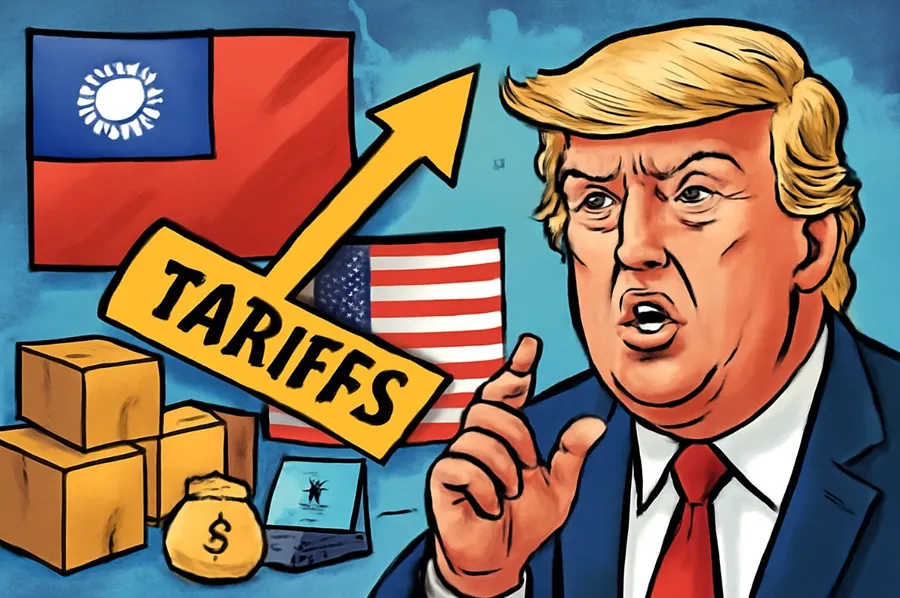
Trade talks between Taiwan and the United States are heating up again, and there is a lot at stake for Taiwanese startups looking to grow internationally. With new US tariffs possibly just around the corner, many founders and tech companies are wondering what comes next for their business in the American market.
Why Are Tariffs Suddenly in the Spotlight?
This year, US President Donald Trump has threatened to raise tariffs, which are extra taxes on imported goods, for many countries including Taiwan. Back in April, Taiwan learned it might face a thirty two percent tariff on most of its exports to the US. This would be an even bigger tax than what Japan or South Korea would pay. Luckily for Taiwanese exporters, this steep increase was put on hold for ninety days so both sides could talk and try to reach an agreement.
Taiwan was not on the latest US list of fourteen countries facing immediate tariffs of up to forty percent, which gives some breathing room. However, the situation is still tense. The current pause on tariffs will end soon, and the deadline for a final deal is coming up fast. At this point, nobody knows for sure what the US will decide next.
The Real Issues: Food, Cars, and Startup Growth
One reason these trade talks have been slow is disagreement about food and auto imports. The US wants Taiwan to make it easier for American pork and beef to be sold in Taiwan, but there are public health concerns on the Taiwanese side. When it comes to cars, the US is asking for lower tariffs on American-made vehicles, but Taiwan has only offered to reduce a different car tax, not the main tariffs. This is not enough for the US, so negotiations are still ongoing.
Former Vice Premier Shih Jun-ji has pointed out that, despite official optimism, these trade talks have not been as smooth as some would like to believe. For startups and exporters, these sticking points could mean real-world changes to business plans.
Why does this matter for startups? If new tariffs go into effect, Taiwanese tech products, hardware, and even food could become much more expensive in the US. Large companies may have the resources to handle these changes, but startups often operate on tight budgets. Extra costs might make it harder to enter or compete in the American market.
What Should Startups Do Now? Three Tips for Founders
With the deadline quickly approaching, here are three things startup founders and teams should keep in mind:
- Stay alert for updates. Follow the news closely. The outcome of these talks could change the cost of doing business in the US almost overnight.
- Stress test your numbers. Think about how a fifteen percent to thirty two percent tariff would affect your pricing, margins, and sales in the US. Have a backup plan ready in case you need to make changes.
- Be ready to adapt. Start thinking about alternative markets, new product strategies, or ways to manage costs if the US market suddenly becomes more difficult or expensive to access.
If Taiwan and the US can reach a fair agreement, startups will have a clearer path for growth in one of the world’s top markets. Even if there are challenges ahead, Taiwan’s founders have shown time and again that they can adapt and find new solutions. With good preparation and an open mind, startups can turn changes in global business into new opportunities for innovation and success.
Sources:Focus Taiwan, Taiwan News, Focus Taiwan, South China Morning Post
©2026 Business Next Media Corp. All Rights Reserved. No.102, Guangfu S. Rd., Da'an Dist., Taipei City 106, Taiwan