©2026 Business Next Media Corp. All Rights Reserved. No.102, Guangfu S. Rd., Da'an Dist., Taipei City 106, Taiwan
Taiwan is great at attracting foreign talents, can it turn them into founders who stay?
Taiwan has introduced programs to attract international professionals. For those who want to start businesses, the next challenge is finding the support, connections, and long-term confidence to build in Taiwan.
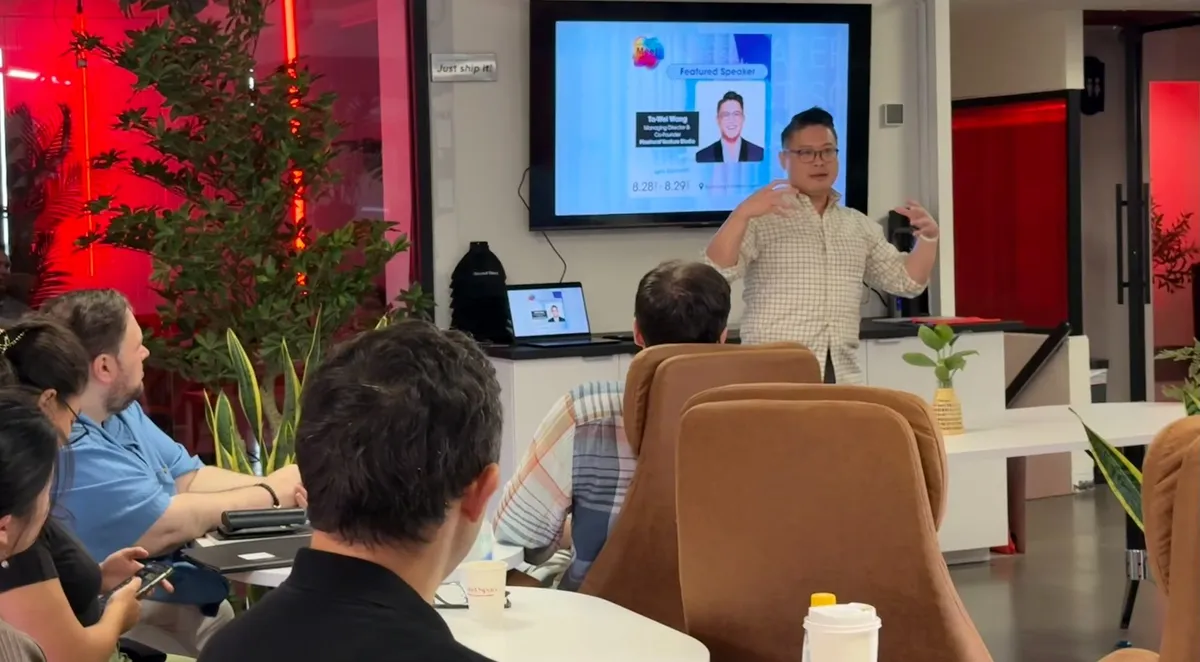
For many international founders, the harder part begins after they arrive: navigating company registration, banking, and residency, then finding customers, hiring talent, and accessing funding. “Taiwan needs to offer a credible path from arriving here to building a business and a life here,” said Ta-Wei Wang, managing director and co-founder of Pinehurst Venture Studio, which works with founders building businesses in and from Taiwan.
Ta-Wei’s perspective comes from his experience as a founder and operator. Through Pinehurst Studio, he now works with founders who may need help refining a business model, finding customers, meeting operating partners, or accessing funding.
Arriving is not enough
For example, Taiwan’s Employment Gold Card, launched in 2018, has helped build a growing community of international professionals, Ta-Wei said. While some of those arrivals may go on to start companies, he said Gold Card growth alone does not show how many are becoming founders.
“Gold Card growth alone doesn’t tell us how many are starting businesses,” Ta-Wei said. For him, the more important question is what happens after people arrive: whether they find collaborators, make progress on a business and begin to see a future in Taiwan.
Ta-Wei said Taiwan offers international founders access to technical talent, experienced operators and potential business partners, while founders with experience abroad can bring customer knowledge and overseas relationships. But navigating the practical steps of building a company can still depend heavily on personal networks.
When Ta-Wei first became involved in Taiwan’s startup community, he found useful resources and people willing to help, but international and local networks did not always overlap. For newcomers without established connections, even knowing whom to approach could be difficult, he said.
Building beyond hardware
Taiwan is known for its engineering and manufacturing capabilities, but Ta-Wei said there was room for more companies that use those strengths to develop their own products, understand customers and sell internationally.
He also argued that Taiwan’s startup ecosystem should make room for businesses outside the conventional venture-backed model. Small teams serving customers globally can still create jobs and develop talent without pursuing the growth path typically associated with venture capital, he said.
From Day 1 to community
Ta-Wei’s own experience has shaped that view. Raised in the United States, he spent more than two decades working in Korea and China before returning to Taiwan about three years ago. Despite his Taiwanese roots, he found that returning did not automatically provide the relationships or knowledge needed to navigate the business environment.
Through Pinehurst Venture Studio, Ta-Wei now works with founders who may need help refining a business model, finding customers, meeting operating partners or accessing funding. He said capital can be part of the answer, but practical support is often what helps turn an idea into a viable business.
That thinking also led to Day 1, a coworking and community space for people starting companies, side projects or other new ventures. Ta-Wei said the aim was to make the kinds of informal connections that can help founders move forward as part of the regular workday.
For international founders in particular, Ta-Wei wants Day 1 to provide a bridge into local networks, helping newcomers meet people beyond their existing circles. The goal, he said, is for them to meet people outside their existing circles and develop relationships that can lead to collaborations or businesses.
The retention test
For Ta-Wei, the longer-term measure of Taiwan’s success will not simply be how many international professionals it attracts, but whether they build lasting businesses and eventually help other founders do the same.
People are more likely to put down roots when they have relationships, feel they can contribute, and have enough confidence in their future to make longer-term commitments such as hiring employees or moving their families, he said.
©2026 Business Next Media Corp. All Rights Reserved. No.102, Guangfu S. Rd., Da'an Dist., Taipei City 106, Taiwan