©2026 Business Next Media Corp. All Rights Reserved. No.102, Guangfu S. Rd., Da'an Dist., Taipei City 106, Taiwan
【Meet Taipei 2024】 Building Bridges: Strategic Insights into Taiwan-Japan Startup Ecosystems
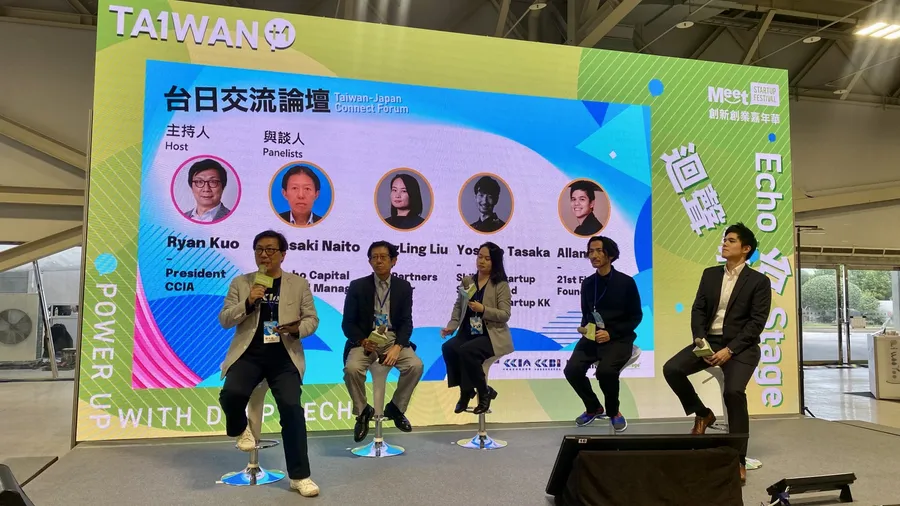
The Meet Taipei 2024: Connect Taiwan and Japan Forum brought together leaders, entrepreneurs, and investors for lively discussions on how Taiwan and Japan can work together to innovate and grow.
One of the standout moments came from Professor John Moriwaka, CEO of Silicon Valley Ventures, who captured the energy of the event with his bold statement: "We need more crazy people from around the world to come to Japan."
CK Cheng, Founder & CEO of AsiaYo.com, shared a valuable lesson for startups: in Japan, building relationships comes first. “Making friends before making business” was his advice, reflecting the importance of trust in breaking into the Japanese market.
The forum went beyond challenges, highlighting the opportunities for startups to create partnerships that could reshape both economies.
Keynote Highlights: A Vision for Cross-Border Innovation
The forum started with three keynote speakers who introduced key themes for the day's discussions.
Yoshiro Tasaka, Director of Shibuya Startup Support, highlighted Shibuya's transformation into a hub for startups. Known for its vibrant cultural scene, Shibuya is now a hotbed for innovation. Yoshiro detailed their support programs, such as startup visas, networking opportunities, and pilot programs that connect foreign entrepreneurs to local resources and residents.
Yoshiro Tasaka emphasized the challenges of navigating Japan’s business ecosystem, from regulatory barriers to cultural differences. However, he highlighted the city's efforts to make things easier, like introducing an angel investor visa to attract more global talent.
The second keynote speaker, Professor John Kojiro Moriwaka, founder and CEO of Silicon Valley Ventures, shared his experience spanning roles as an advisor, investor, and entrepreneur. Moriwaka painted a dynamic picture of Japan’s burgeoning startup ecosystem. He pointed out the government’s increased focus on deep-tech and drug discovery startups, with a budget allocation of $2.4 billion by 2028. “We need more crazy people from around the world to come to Japan” he declared, urging global startups to embrace the opportunities in Japan's market.
Bridging Cultures: Patience, Trust, and Relationships
Finally, a panel discussion delved into how Taiwanese startups can strengthen their partnerships in Japan, with insights from seasoned entrepreneurs and investors on how to navigate Japan’s intricate corporate culture and build trust for long-term collaboration.
A recurring theme throughout the forum was the emphasis on patience and trust when doing business in Japan. As several speakers noted, Japan’s market is notoriously challenging for foreign startups due to language barriers, cultural norms, and the long decision-making cycles of Japanese corporations.
CK Cheng, Founder & CEO at AsiaYo.com, shared his company’s journey of expanding into Japan. His advice to startups entering the market? Focus on building relationships before pitching business. He recounted how his Japanese clients often preferred informal conversations over golf or food before discussing contracts. “Making friends before making business” was his mantra.
The panelists discussed the challenges startups face in entering the Japanese market. Yoshiro Tasaka acknowledged the difficulties of establishing trust and navigating Japan’s bureaucratic systems but highlighted programs like Shibuya’s Startup Deck and POCs (Proof of Concept) with local corporations as effective entry points.
Allan Chou, CEO of 21 Fintech, shared his three-year journey of establishing a presence in Japan. He advised startups to start small, observe the market, and focus on building credibility. “Trust is priceless,” he emphasized, adding that Japan rewards patience and consistency over quick wins.
The advice was echoed by Masaki Naito of Mizuho Capital, who recommended startups begin by targeting small and medium-sized enterprises (SMEs) before approaching Japan’s corporate giants. He explained that SMEs have shorter decision-making cycles and are more open to collaboration, making them ideal partners for startups looking to build a foothold in Japan.
Opportunities in Tourism and Travel Tech
One of the forum’s standout discussions revolved around the booming travel industry and its role in strengthening Taiwan-Japan ties. Ryan Seng, representing Lion Travel, highlighted their efforts to digitize travel infrastructure, making it easier for Taiwanese tourists to explore rural areas in Japan. The company also invests heavily in travel tech startups to diversify its offerings, from marathon-themed trips to cruise bookings.
Similarly Ling Ling Liu of Daiwa Securities’ DCI Partners stressed the importance of taking a long-term approach. “It takes time to break the ice and warm up,” she said, describing the patience required to build meaningful connections. Lin also emphasized the complementary strengths of Taiwan and Japan: Taiwan’s talent and efficiency paired with Japan’s scientific rigor and market scale create a potent combination for innovation.
Challenges and Strategies for Startups
The forum concluded with a call to action for greater collaboration between Taiwan and Japan. The speakers highlighted the immense potential for both countries to innovate together. “It’s not just about technology,” one panelist noted, “it’s about creating an ecosystem where trust, patience, and mutual understanding drive success.”
As Allan Chou summarized, “Japan is changing, and so is Taiwan. Together, we can create something truly unique.”
The Meet Taipei 2024: Connect Taiwan and Japan Forum demonstrated the importance of cross-border collaboration in today’s interconnected world. With Taiwan’s entrepreneurial agility and Japan’s market scale and corporate rigor, the two nations are uniquely positioned to drive innovation and growth. While the road may be challenging, the rewards of building these bridges—both culturally and economically—are undoubtedly worth the effort.
©2026 Business Next Media Corp. All Rights Reserved. No.102, Guangfu S. Rd., Da'an Dist., Taipei City 106, Taiwan