©2026 Business Next Media Corp. All Rights Reserved. No.102, Guangfu S. Rd., Da'an Dist., Taipei City 106, Taiwan
SleepWell Delivers Accurate Sleep Solutions with Brainwave Technology
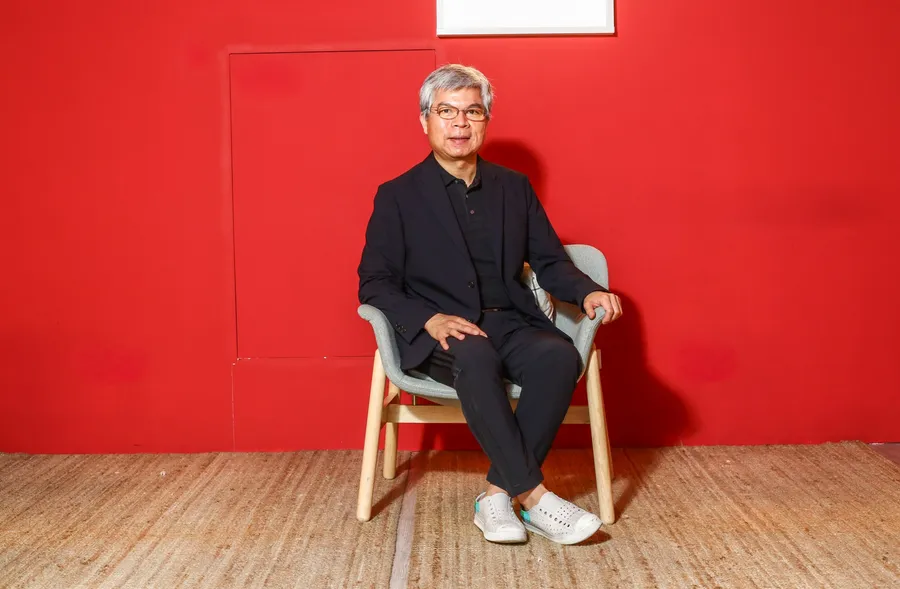
Sleep problems are common in Taiwan. In 2021, nearly one-fifth of the population—about 4.41 million people—received a total of 1.05 billion sleeping pills through the National Health Insurance system, according to data cited by Taipei Medical University’s Sleep Clinic. Yet only a small portion of these people were actually diagnosed with primary insomnia. For Rayleigh Chiang, founder and CEO of SleepWell and a longtime sleep medicine specialist, these patterns point to a larger issue. He noticed that it is often easier for doctors to prescribe medication than to address the underlying causes of poor sleep. Motivated by this reality, Rayleigh Chiang founded SleepWell to focus on the roots of sleep health rather than just the symptoms. The company is now working to bring this approach to a wider audience.
From Accurate Screening to Brainwave Intervention
Most people seeking to understand their sleep have historically faced an impossible choice between expensive, inconvenient hospital sleep tests and consumer wearables that offer little real value. Rayleigh Chiang observed that, for devices like the Apple Watch and similar trackers, the average accuracy rate is only 20 percent. In his view, these are toys from a clinical perspective and their readings lack true diagnostic meaning. Not only do they fail to help, but they sometimes trigger unnecessary anxiety, a problem he identified as orthosomnia, a kind of health anxiety brought on by tracking technology.
SleepWell’s approach starts with accessible, science-backed screening. Decades of clinical experience have been transformed into a mobile phone-based facial scan, making it possible for anyone to use their own device to get an initial assessment. Rayleigh Chiang explained that the AI looks for subtle features, like changes in skin color or facial structure, that doctors have long associated with sleep problems. The first version provides six health indicators—such as heart rate, blood pressure, and markers of nervous system activity—with a single one-minute scan. While it is not intended to provide a medical diagnosis, it can identify potential risks and recommend further action when necessary.
After this initial step, SleepWell’s core solution is the iMask, a brainwave-interactive sleep mask. Unlike passive trackers, the iMask uses EEG signals to not only monitor but also actively intervene in the wearer’s sleep state. Rayleigh Chiang described how the mask detects brain activity in real time and provides targeted interventions to guide the user from light to deep sleep, or to reduce time spent awake in bed. This is a leap from what most consumer devices offer.
To test the impact, SleepWell collaborated with Taipei Veterans General Hospital, where a clinical study showed that patients’ average time to fall asleep dropped from 47 minutes to just 23 minutes when using the device. The iMask is set for prototype release by the end of the year and is scheduled to enter the market on a subscription basis in early 2026.
Building a Data Advantage for a Global Market
Rayleigh Chiang’s vision for SleepWell is backed by more than technology; it is powered by data. He reported, "We have the largest sleep treatment database in Asia," referencing over 1.2 million clinical sleep study records. This repository is further strengthened by the Global Sleep Health Project, which brings together anonymized data from 18 leading medical institutions worldwide, including a diversity of populations that is rare in the field. This multi-ethnic dataset, in his view, is crucial for training AI models that avoid bias and work reliably across different countries and communities.
This deep data resource enables SleepWell’s AI to deliver more precise assessments and recommendations, whether for sleep apnea risk or broader health trends. It also sets the stage for regulatory compliance and future medical certification, especially as the company advances toward FDA approval for its next-generation devices in the United States.
The company’s strategic rollout focuses first on groups where sleep quality is critical for public safety, such as police, firefighters, hospital staff, and long-haul drivers. Rayleigh Chiang explained that these professionals often work irregular hours and face high stress, putting them at particular risk for sleep disorders. SleepWell is already in discussions with municipal governments in Houston and Denver to implement its screening and intervention tools in public sector workforces.
Is There a Better Way to Tackle Sleep Disorders?
Rayleigh Chiang’s journey to entrepreneurship began over two decades ago, when he first started a company to provide outsourced sleep center services for hospitals. Despite years of clinical experience, he became increasingly frustrated with what he saw as a system that defaulted to sleeping pills instead of confronting the complexity of sleep disorders, which he notes can number over 80 distinct types. He also recognized a persistent gap between Taiwan’s strong ICT sector and its healthcare system, a gap he believes is widened when engineers try to solve medical problems without real clinical input.
Motivated to make a broader impact, Rayleigh Chiang returned to academia at 49, earning his doctorate in public health from Johns Hopkins. He reflected that, in clinical medicine, you help one patient at a time, but in public health, you can help a million at once. For him, research must lead to practical change. He has translated years of academic work into patented technologies and industry applications, creating barriers to imitation while keeping societal benefit at the forefront.
Looking ahead, he hopes that by integrating Taiwan’s strengths in both technology and medicine, companies like SleepWell can become new national champions. He sees a future where clinical rigor, advanced engineering, and global data combine to offer a real solution to the sleep epidemic, not just in Taiwan, but worldwide.
©2026 Business Next Media Corp. All Rights Reserved. No.102, Guangfu S. Rd., Da'an Dist., Taipei City 106, Taiwan